

Branding in Sports: Lessons From Football and the US Open
Few industries inspire the same level of enthusiasm as sports. Fans build traditions around their favorite teams, follow athletes across social media, and form communities around shared experiences.
For marketers, that passion creates opportunities to connect with audiences in meaningful ways.
However, effective branding in sports involves more than placing a logo on a jersey or sponsoring an event. Successful brands understand the culture surrounding the game and find authentic ways to contribute to the fan experience.
As football season approaches and the US Open brings tennis into the spotlight, both sports offer timely lessons for building stronger brand connections.
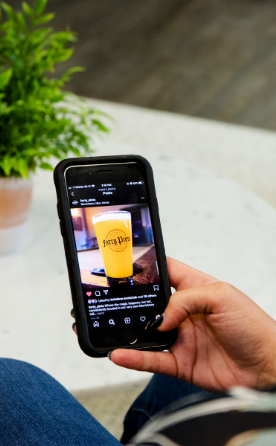
Digital Marketing
Capture Leads, Generate Sales & Find New Customers
Capturing relevant information about customers, fans, followers, and friends enable us to create more personalized interactions. In turn, we can better understand how to provide the best possible experience for our target audience.
Why Sports Create Powerful Branding Opportunities
Sports bring together emotion, community, entertainment, and tradition.
Fans do not simply watch a game. They participate through team apparel, watch parties, social media conversations, and shared celebrations.
These behaviors create opportunities for brands to become part of experiences audiences already care about.
Effective sports branding can help businesses:
- Reach highly engaged audiences.
- Strengthen emotional connections.
- Generate social media conversations.
- Create memorable in-person experiences.
- Connect their products with established traditions.
- Build recognition through relevant partnerships.
However, visibility alone does not guarantee impact. The strongest campaigns offer fans something valuable, entertaining, or useful.
What Football Teaches Brands About Community
Football thrives on shared experiences.
From Sunday watch parties to college game-day traditions, fans build routines around following their favorite teams. Brands that understand those habits can create campaigns that feel connected to the culture.
Bud Light’s 2026 NFL campaign shows how brands can tap into existing fan traditions. Its commercials, “The Move” and “Armchair,” feature Peyton Manning and comedian Shane Gillis navigating familiar game-day situations. The campaign also includes limited-edition cans representing 27 NFL teams, giving fans another way to connect their team loyalty with the brand.
The key is identifying a natural relationship between the brand and the experience.
Standing out also requires more than following the same trends as every other sponsor. Kraus navigated these considerations while working with the New York New Jersey World Cup Host Committee. Our team developed a landing page that followed FIFA’s strict brand requirements, supported the region’s hosting bid, and created a destination for fans interested in getting involved. Learn more about the FIFA NYNJ project.
A brand or campaign does not need an official league sponsorship to participate in football culture. A local restaurant might promote game-day specials, while a regional business could support a community football program.
However, brands should avoid using protected team logos, league branding, or language that implies an official partnership without permission.
What Tennis Teaches Brands About Lifestyle
Tennis offers a different kind of marketing opportunity.
Events like the US Open combine competition with fashion, hospitality, entertainment, and social experiences. This broader lifestyle appeal allows brands across multiple industries to connect with attendees and viewers.
Chase’s 2026 US Open activations show how brands can contribute to the tournament’s broader lifestyle appeal. Its experiences include a tennis-themed photo opportunity, a bodega-inspired giveaway, and a collaboration with fashion brand Dairy Boy. Together, these elements connect the brand to the fashion, entertainment, and social experiences surrounding the event.
Relevance is another key factor in making these partnerships and activations effective.
La Roche-Posay demonstrates this connection as the official sunscreen of the US Open. Its products address a practical need for spectators spending long days outdoors, while its partnership with tennis player Jannik Sinner reinforces the connection between sun protection and athletic performance.
Why Athlete Partnerships Need Authenticity
Athletes bring personality, visibility, and established fan communities to brand partnerships.
However, the strongest collaborations involve more than choosing someone with a large following.
A credible athlete partnership should reflect:
- Shared values between the athlete and brand.
- A believable connection to the product or service.
- An authentic creative concept.
- Relevance to the intended audience.
- Opportunities for engagement beyond a single post.
For example, a fitness brand partnering with an athlete makes sense when the campaign highlights training, performance, or recovery. A fashion partnership becomes more compelling when it reflects the athlete’s existing personal style.
When the connection feels forced, the campaign risks becoming forgettable.
How Sports Campaigns Extend Beyond the Event
The most effective branding in sports continues across multiple channels.
An in-person activation can become social media content. A sponsorship can inspire email marketing, video, digital advertising, and community engagement.
Consider how one campaign might connect:
- A live event or game-day experience.
- Behind-the-scenes video content.
- Fan-generated social media posts.
- Branded giveaways or interactive activities.
- Follow-up email communications.
- Paid advertising featuring campaign highlights.
This integrated approach helps brands reach people before, during, and after the event. It also reflects the growing role of experiential marketing, where memorable interactions can create stronger connections than traditional advertising alone.
It also creates opportunities to extend the campaign beyond the fans who attended in person.
Applying Sports Branding Lessons to Smaller Businesses
Businesses do not need a national advertising budget to use sports marketing effectively.
A regional brand might:
- Sponsor a local team or youth sports organization.
- Partner with a community athlete or creator.
- Host a game-day event.
- Create social content around seasonal sports moments.
- Support a tournament, fundraiser, or athletic program.
- Develop promotions tied to relevant fan traditions.
The most important consideration is whether the opportunity aligns with the audience.
A campaign should answer a simple question: What meaningful role can this brand play in the experience?
Check out some of our most eye-catching and campaign driven pieces in our established portfolio.
Turn Fan Passion Into Brand Impact
Successful branding in sports starts with understanding why fans care.
Football highlights the power of shared traditions and community. Tennis demonstrates how brands can connect through lifestyle, hospitality, and memorable experiences.
In both cases, the strongest campaigns feel relevant to the audience and extend naturally across multiple channels.
At Kraus Marketing, we develop sports and entertainment marketing campaigns that connect strategy, creative, social media, and advertising. Contact our team to turn meaningful moments into lasting brand impact.