

How Gen Z Packaging Design Turns Everyday Products Into Social Content
Walk into any store, or scroll through TikTok, and you’ll notice something immediately: products don’t just sit on shelves anymore. They perform.
A skincare bottle catches the light just right. A snack package feels too satisfying not to film. A candle label looks like it belongs in a perfectly curated apartment shot. None of this is accidental.
Welcome to the world of Gen Z packaging design, where the product isn’t just something you buy—it’s something you share.
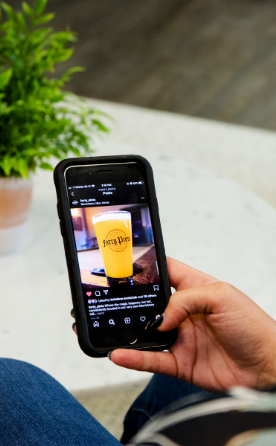
Digital Marketing
Capture Leads, Generate Sales & Find New Customers
Capturing relevant information about customers, fans, followers, and friends enable us to create more personalized interactions. In turn, we can better understand how to provide the best possible experience for our target audience.
The Product Is the Marketing Now
For Gen Z, the line between product and promotion has blurred almost completely. Traditional marketing asked brands to create ads around a product. Gen Z packaging design flips that idea on its head. The packaging itself becomes the ad, designed to live beyond the shelf and into social feeds, group chats, and everyday content.
This shift is rooted in a simple reality: Gen Z trusts people more than brands. A polished campaign might get attention, but a real person interacting with a product? That’s what drives interest. So instead of pushing messaging outward, brands are designing products that naturally pull consumers into creating content for them.
The Unboxing Moment Is the Strategy
For previous generations, opening a product was functional. For Gen Z, it’s an experience.
There’s a reason unboxing videos rack up millions of views. They tap into anticipation, curiosity, and satisfaction, all in one moment. Smart brands are designing packaging that leans into that behavior.
Think layered reveals, unexpected textures, or thoughtful details hidden inside the box. These aren’t just design choices—they’re prompts. They invite the customer to slow down, capture the moment, and share it. And when that happens, something powerful kicks in: user-generated content.
Instead of investing solely in traditional production, brands are effectively turning their customers into creators. Each post, Reel, or TikTok becomes a form of social proof—more relatable and often more persuasive than a branded ad.
From Cabinets to “Shelfies”
Another major shift? Products are no longer meant to be hidden. Gen Z treats everyday items, skincare, beverages, even pantry staples, as part of their visual identity. What used to live behind cabinet doors is now displayed on countertops, desks, and open shelving. This is where the idea of the “shelfie” comes in.
Packaging is designed to look good in the background of life. Clean lines, bold colors, unique shapes, everything is intentional because it’s likely to show up in photos and videos. But it goes deeper than aesthetics.
The products someone chooses to display say something about them. A specific brand of matcha, a certain type of candle, or a distinct skincare line becomes a subtle signal of identity. It tells a story about taste, values, and belonging. Gen Z packaging design understands that and leans into it, creating products that people want to be associated with.
The Return of Touch in a Digital World
Gen Z is often described as digital-first and that’s true, but that’s exactly why physical experiences matter more. In a world dominated by screens, tactile design stands out. Soft-touch finishes, embossed lettering, textured materials, or even the resistance of opening a well-constructed box, these small details create a sensory experience that digital simply can’t replicate.
There’s even a concept of “intentional friction” at play. Packaging that takes an extra second to open or reveals itself in stages creates a pause. It turns something routine into something memorable. And memorable moments are more likely to be shared.
More Personality, Less Perfection
If you compare Gen Z packaging design to what came before it, the difference is clear. Where millennial-era branding leaned heavily into minimalism, muted tones, clean layouts, simplicity, Gen Z is pushing in the opposite direction.
Packaging today often embraces:
- Bold, oversized typography
- High-contrast, vibrant color palettes
- Playful, unexpected design elements
It’s less about being polished and more about being expressive. You’ll also see more “Easter eggs”—hidden messages under flaps, inside caps, or within the design itself. These details create a sense of discovery and a one-on-one relationship between the brand and the consumer. It feels personal and that feeling drives connection.
Transparency Becomes Part of the Design
Gen Z doesn’t just care about how something looks—they care about what it stands for. That’s why transparency has become a key part of Gen Z packaging design. Instead of hiding information, brands are bringing it forward:
- Clear sourcing details
- QR codes that lead to deeper stories
- Infographics that explain ingredients or processes
Even sustainability has become visual. Materials like raw cardboard, compostable packaging, or alternative materials aren’t disguised—they’re highlighted. It’s not just about being eco-friendly. It’s about making those values visible and shareable.
Capturing relevant information about customers, fans, followers, and friends enable us to create more personalized interactions.
Why This Matters for Brands
All of these shifts point to a larger truth: packaging is no longer a final step in the product process. It’s a central part of the brand experience. When done right, Gen Z packaging design:
- Extends marketing beyond paid channels
- Encourages organic, user-driven content
- Builds stronger emotional connections
- Turns everyday products into cultural moments
But it requires a different way of thinking. It’s not just about looking good on a shelf. It’s about performing in the real world—on camera, in homes, and across social platforms.
How Kraus Marketing Helps Brands Design for the Moment
At Kraus Marketing, packaging isn’t treated as an isolated design exercise—it’s part of a larger brand ecosystem. That means thinking beyond aesthetics to understand how a product lives in the hands of the consumer. How it’s opened. How it’s displayed. How it’s shared.
By combining brand strategy, creative direction, and a deep understanding of audience behavior, we help brands design packaging that doesn’t just sit on shelves, but shows up in feeds, conversations, and culture.
Because in a world where everything can be content, the most powerful marketing asset might already be in your customer’s hands. Ready to get started? Let’s get to work!