
Holiday Marketing Campaign: Is November Too Late to Start?
If your holiday plans are still sitting in a draft folder, you are not alone. Every year, plenty of businesses reach November without a finished strategy, and every year the same question comes up: is it too late to launch a holiday marketing campaign that actually performs?
The short answer is no. The window is tighter, but it is far from closed. Shoppers do not stop buying on November 1, and many of them do not make final decisions until the last two weeks of the season. What matters now is focus, speed, and making smart choices about where to put your effort.
Digital Marketing
Capture Leads, Generate Sales & Find New Customers
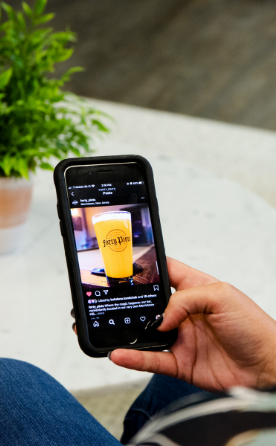
Capturing relevant information about customers, fans, followers, and friends enable us to create more personalized interactions. In turn, we can better understand how to provide the best possible experience for our target audience.
Why There Is Still Time to Make an Impact
Holiday spending does not happen all at once. Early shoppers get started in the fall, but a large share of consumers wait for Black Friday and Cyber Monday deals, and many more shop in December for gifts, gatherings, and year-end purchases. Service businesses see a similar pattern, with people booking appointments, renewing plans, and making year-end investments right up to the final days of the year.
That means a campaign launched in mid-November can still reach customers while they are actively making decisions. You may not have the luxury of a long testing period, but you can still show up where it counts.
Start With One Clear Offer
When time is short, simplicity is your best asset. Instead of building a complicated promotional calendar, choose one offer that is easy to explain and easy to act on. Good options for a late-start holiday marketing campaign include:
- A bundle that packages popular products or services together
- A limited-time perk for existing customers, such as early access or free shipping
- A gift-oriented offer that makes shopping easier for last-minute buyers
- A year-end special that gives service clients a reason to act before January
A strong offer answers three questions at a glance: what is included, what it costs, and when it ends. If a customer has to work to understand your promotion, they will likely move on to one that is clearer.
Choose the Channels That Move Fastest
You do not need to be everywhere. A compressed timeline calls for channels you can launch quickly and adjust easily. Consider these first:
- Email and SMS to reach people who already know your brand
- Paid social to target warm audiences and retarget website visitors
- Paid search to capture shoppers who are actively looking for what you offer
- Organic social and your website to reinforce the same message and deadline
Your existing audience is your biggest shortcut. Past customers, newsletter subscribers, and engaged followers already trust you, which means they typically respond faster than cold audiences. Start there, then expand outward as budget and time allow.
Keep Your Creative and Messaging Consistent
Speed does not have to mean sloppy. When you are building quickly, a simple visual system helps everything feel connected. Pick one core message, one set of holiday-themed visuals, and one call to action, then use them across every touchpoint.
A shopper might see a social ad, open an email, and visit your website within the same day. If the offer, tone, or deadline changes at each step, the experience feels disjointed. If everything lines up, your message gets stronger every time they see it.
Build a Lean Plan You Can Measure
A shorter timeline leaves less room for guesswork, so decide in advance what success looks like. Choose a small set of metrics, such as email click-through rate, cost per acquisition, conversion rate on your landing page, and total revenue or leads generated.
Then check them often. During the holiday season, performance can shift quickly. Daily monitoring lets you move budget toward what is working, pause what is not, and refine your messaging while the campaign is still live. That flexibility is one of the biggest advantages of digital marketing, and it is especially valuable when you are working against the calendar.
Do Not Forget About What Happens After the Holidays
The customers you reach in November and December are not just a seasonal opportunity. Many of them will be first-time buyers, and without a follow-up plan, they may not come back. Even a late-starting holiday marketing campaign should include a few simple next steps:
- A thank-you or welcome email for new customers
- A post-holiday offer to encourage a second purchase
- A January re-engagement message for people who engaged but did not convert
Think of the season as the start of a relationship rather than a one-time sale. The data you collect during this period also gives you a head start on next year’s planning, so you are not scrambling again in November 2027.
Capturing relevant information about customers, fans, followers, and friends enable us to create more personalized interactions.
Make the Most of the Time You Have
November may not be the ideal time to start from scratch, but it is far from too late. With a focused offer, the right channels, consistent messaging, and close attention to performance, you can still build a holiday marketing campaign that connects with customers and delivers real results.
If you need help getting a campaign off the ground quickly, our team at Kraus Marketing can help you plan, create, and launch a strategy that makes the most of the weeks ahead. Contact us to get your holiday marketing campaign moving.